Nice Cause, But Not My Money
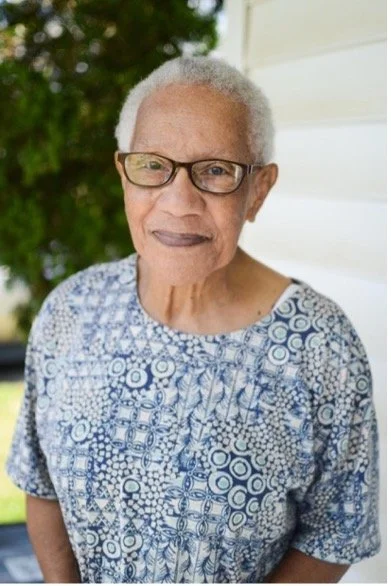
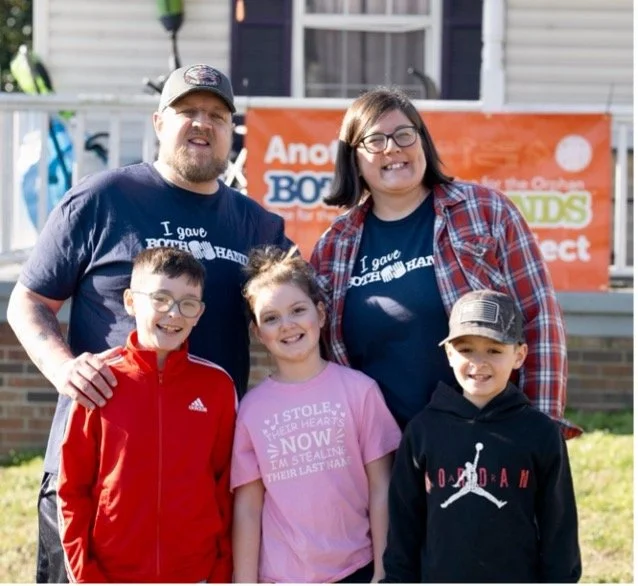
“JT, if you told me you were working on a widow’s house, I might sponsor you. But you’re just golfing. Nice cause, but not my money.”
A buddy scribbled that across JT Olson’s golf tournament fundraising letter and mailed it back without a donation.
JT was familiar with the Bible’s instruction to care for the widow and orphan, so the response stung, but the idea stuck.
Orphan was a word JT knew well. He was 12 when his brother said, “Mom and Dad are dead.” JT remembers hitting the basement’s cold cement floor, wondering who would care for the five children and whether they could stay together. An aunt and uncle, with three children of their own, took all five in.
Years later, JT’s friend Don learned that the boy he planned to adopt from Moldova had three siblings. “I know what it’s like to have someone come in and say, we got you,” JT says. So when Don said, “We’re just not going to break up the siblings,” JT didn’t call him crazy. He cheered.
But the cost would be nearly $80,000 and Don had no idea how to raise it. JT did. In March 2007, they recruited friends to work on a Nashville widow’s home and asked supporters to sponsor their service. They raised more than $70,000.
That Saturday became the Both Hands model. An adopting family recruits a team, and each member sends letters asking people to sponsor them while they serve a widow in their own community. Both Hands provides free virtual coaching, customizes the letters, and covers supplies, postage, even processing fees. The team spends a Saturday tackling the widow’s yard work, cleaning, and repairs. It’s a honey-do list for a widow who has lost her honey.
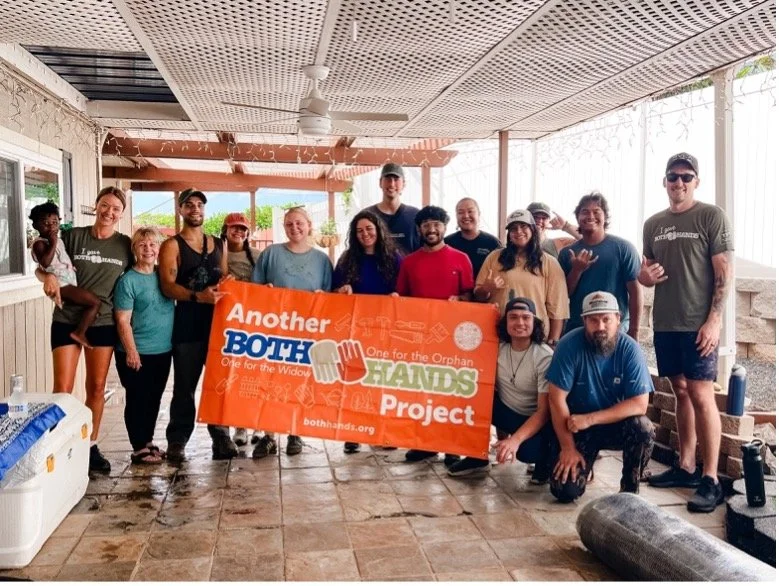
A year after the first project, looking down from another widow’s roof at 52 volunteers, JT saw the momentum of these projects. He left his headhunting firm to launch Both Hands.
Today, Both Hands has completed more than 1,700 projects across 47 states, serving about 2,000 widows, helping more than 1,900 children join families, and raising more than $27 million.
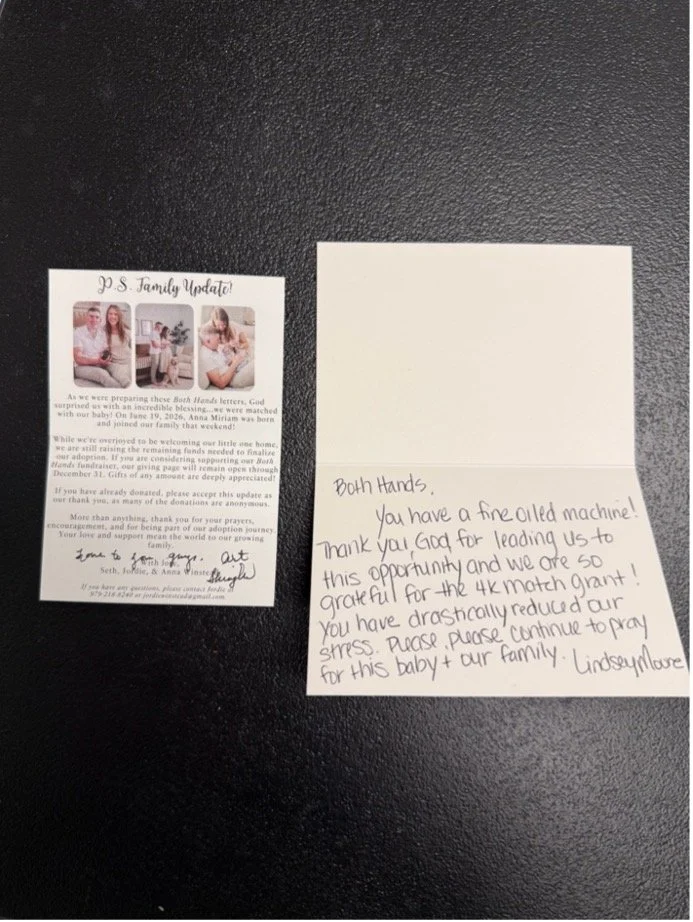
“Adoption grants typically range from $3,000 to $10,000,” explains Executive Director, Jared DeLong. “A Both Hands project averages about $23,000 raised per family.” Combined, families “can just about fully fund their adoption [and] don’t have to go into debt.”
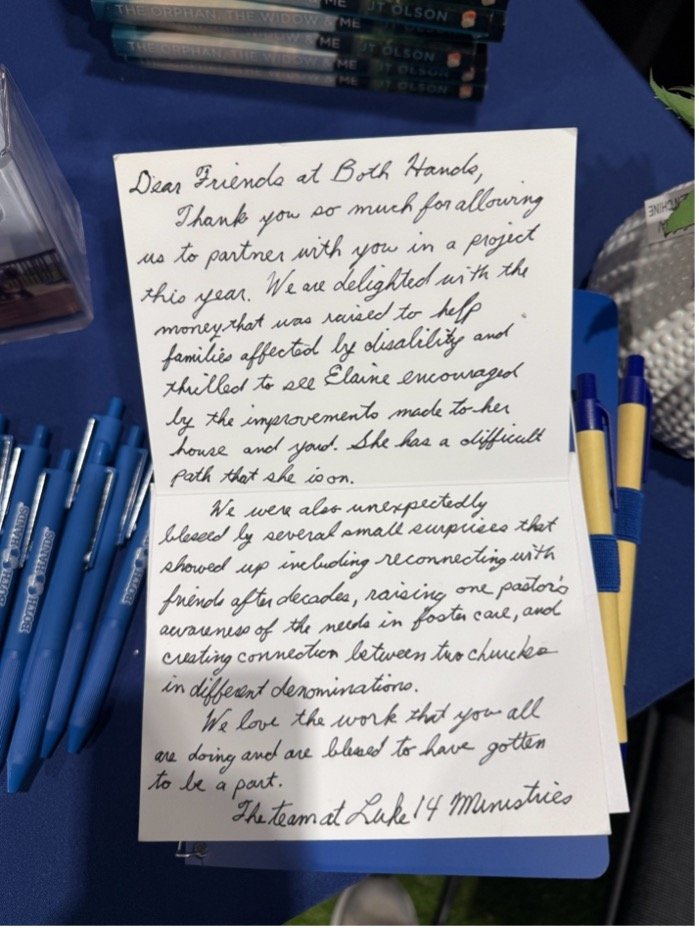
Both Hands retains none of the money raised through projects, making operating grants essential. RetailROI’s $15,000 grant in 2025 helped fund Program Director Aimee Sipe’s salary. With Aimee coaching families, JT could devote more time to donor development and sharing the Both Hands story. After the grant, annual projects increased from 128 in 2024 to 151 in 2025, with over 175 projected for 2026.
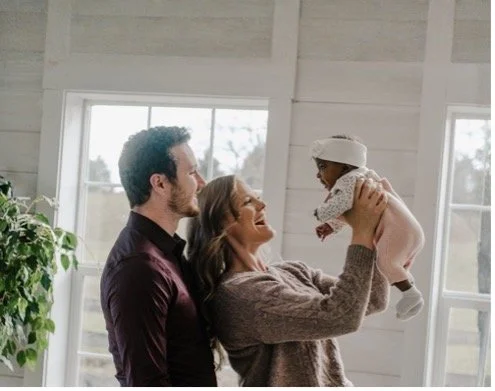
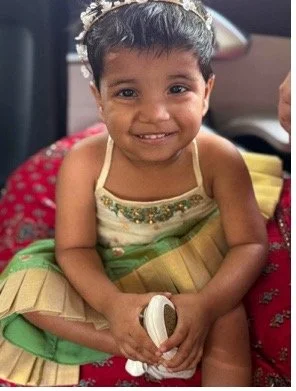
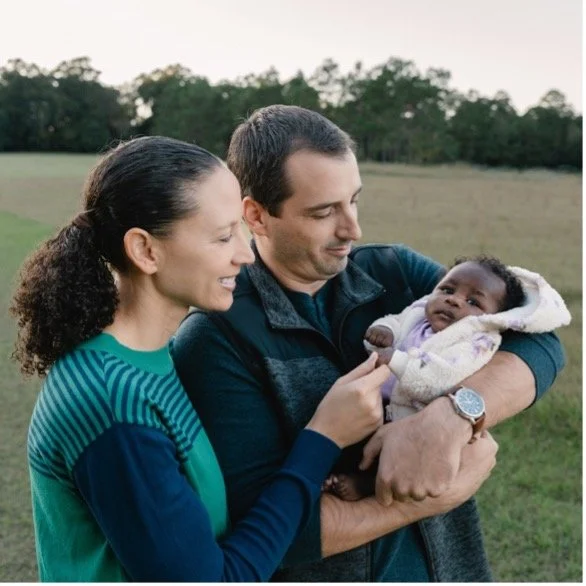
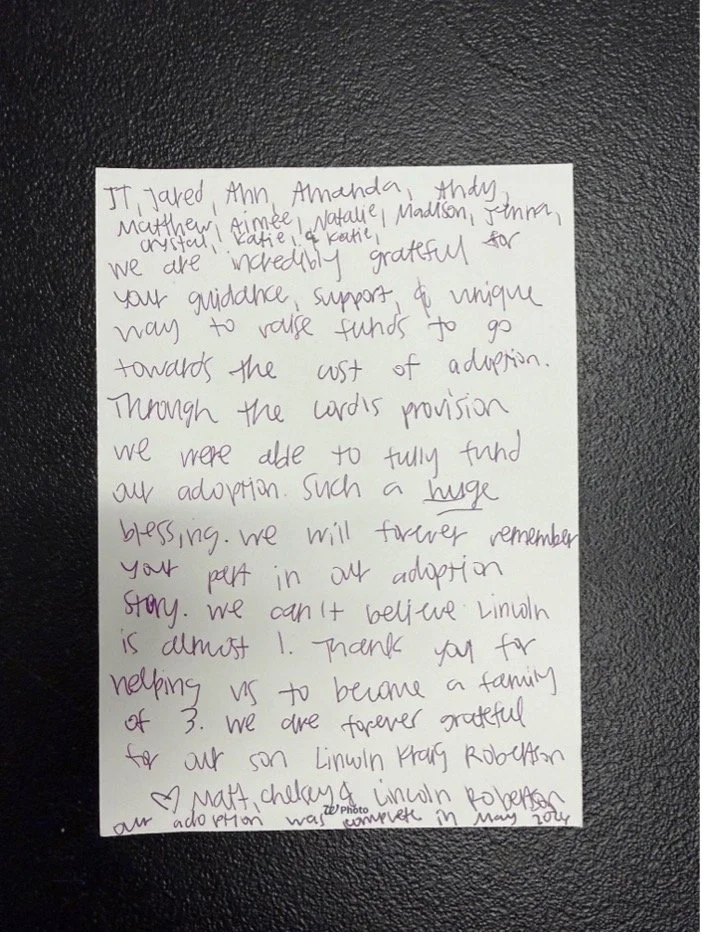
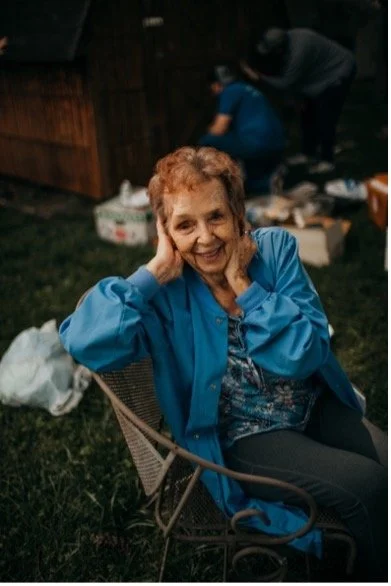
Behind every dollar is a person impacted. Families clear the financial barrier to bringing a child home. Children gain a permanent place to belong. One California family adopting from Ethiopia watched the widow they served become their children’s grandmother. When they returned for a second adoption, she flew to Ethiopia with them. One widow wept as she told JT, “I thought God had forgotten me.” And one volunteer wrote, “I think it may be one of the best days of my life.”