
What They Called Trash:
Turning Waste into Walls
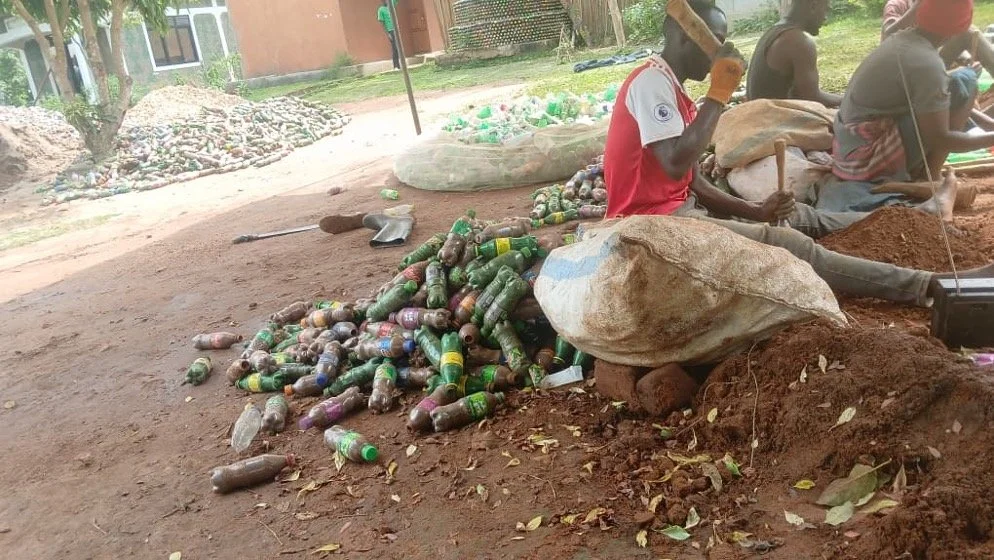
Plastic bottles crackle underfoot in Kirinda, Uganda. They clog the streams families rely on for water. The water carries the sour stink of bacteria breeding inside the discarded plastic. The bottles also foul the soil where their food grows. And the bottles linger for 450 years, shedding microplastics into lungs and brains.
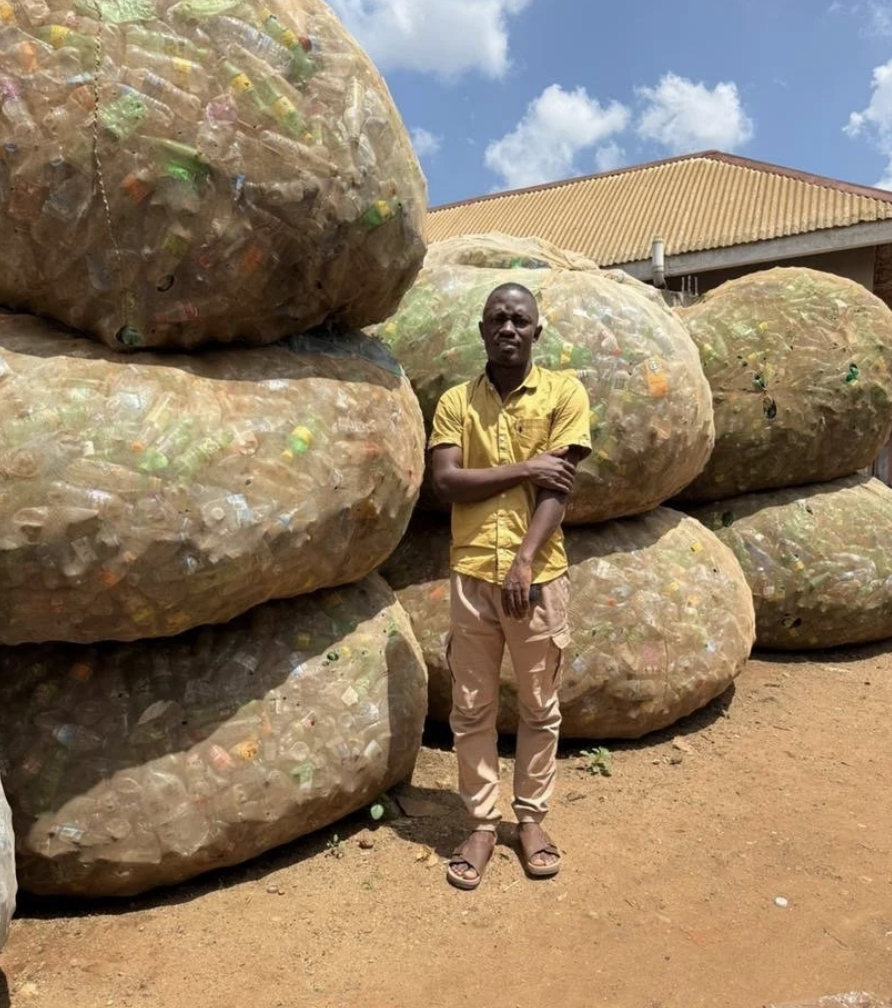
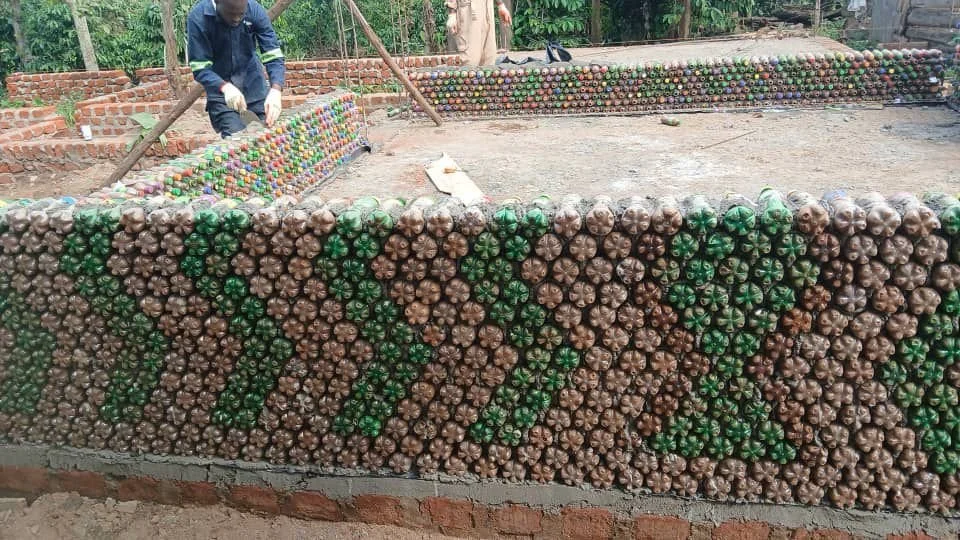
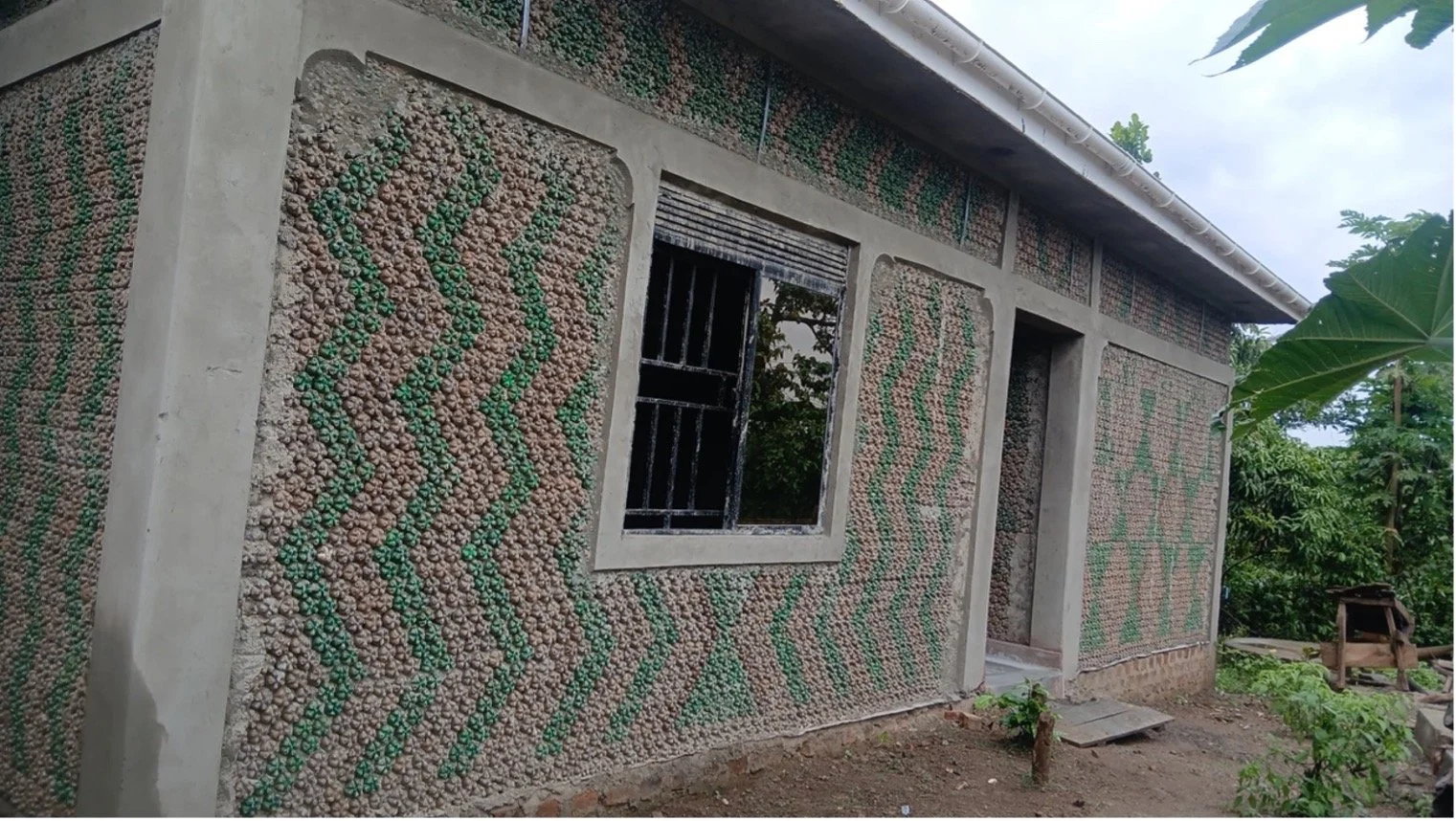
In 2025, RetailROI made a $7,000 grant to Bottles2Bricks to change waste into durable change. Residents pulled discarded bottles from rivers and roadsides, packed them with sand and soil, and assembled them into durable walls using an innovative technique pioneered by a German architect and environmentalist.
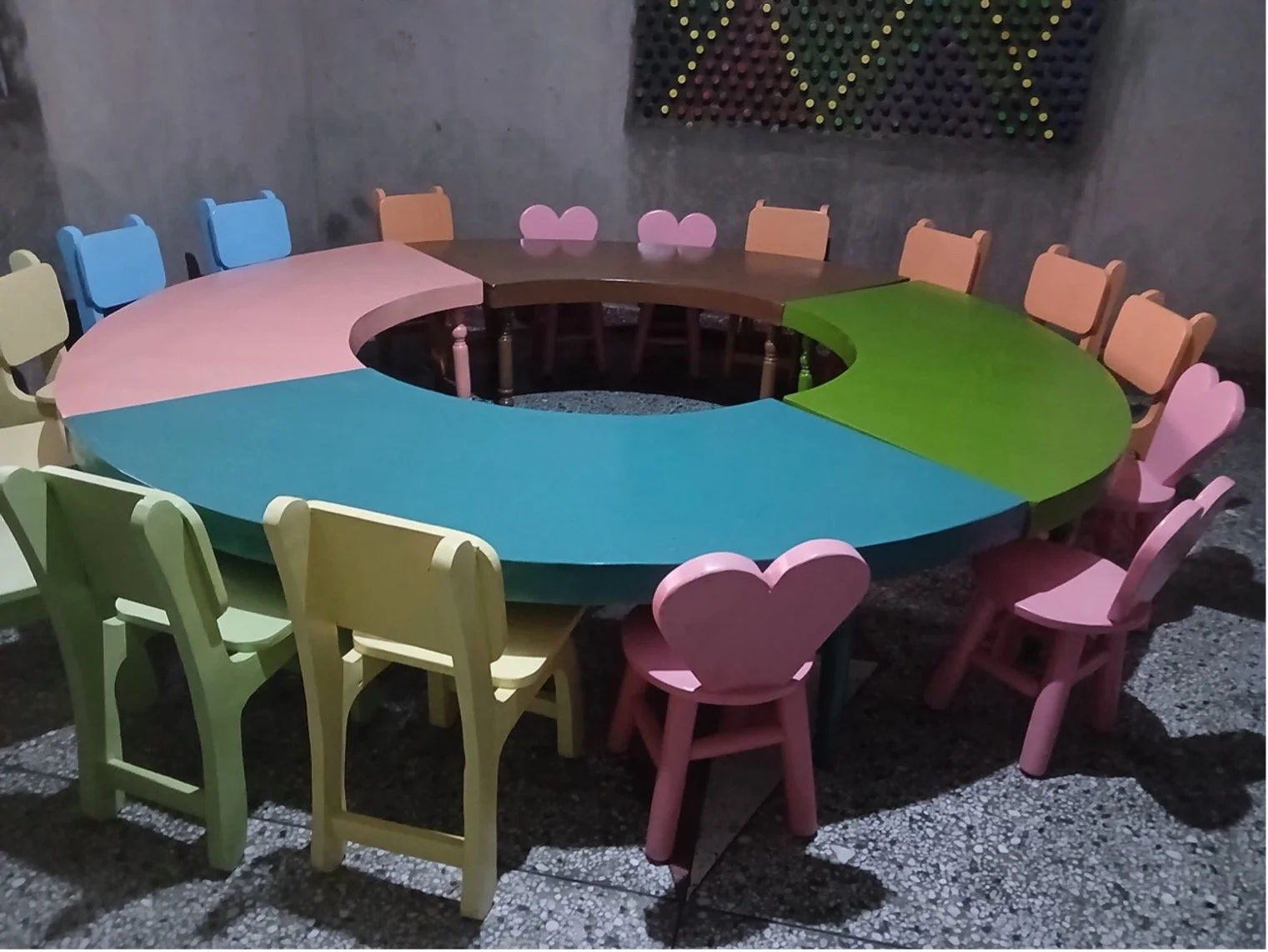
The projects used 60,000 bottles, says Barbara, president and co-founder of Bottles2Bricks. Those walls now hold the only library for miles, an elementary school, and a women’s shelter with a counseling room.
A Design of Their Own
When a new bottle color turns up, neighbors debate where it belongs. Maybe it goes “above the windows, maybe below the door frames,” says Sylivia, the local nonprofit founder who brought Bottles2Bricks to her hometown. The walls become patterns of their own design.
“A brick will crack before a plastic bottle cracks,” Barbara says. Structures built from bottles usually cost about 20 to 25 percent less than brick.
“If it weren’t for RetailROI, our last two projects … would have really been a struggle to get through,” says Lori, treasurer and co-founder of Bottles2Bricks. “We’re going to have an amazing success story, and you can feel proud about your donation,” says Henry, board member and fundraiser.
A mother rebuilds her life
Before the shelter, women facing domestic violence “had no safe space to share and to disclose what they were going through,” says Sylivia.
Then the shelter opened. A young mother arrived with her baby after her husband beat her. The shelter gave them a room. Six months later, she was back in school. “She’s happy with her child,” Sylivia says.
I see peace
A few weeks ago, 11-year-old Joseph walked straight from church to the bottle-built center and asked if he could live there. “Because I see peace,” he told Sylivia.
Children who once stepped over litter now hunt for bottles alongside the adults. “What they called trash, what they called useless, is now being put to use,” Sylivia says. “You can hardly see a bottle, which was not the case before.”
Local builders find new work
Local technicians earned $100 a week supervising construction after being trained in the technique. They put those skills to work again, building a water tank from bottles entirely on their own. Since then, another company has hired Sylivia’s crew. “They are really busy helping other people with the same technology,” she says.
More classrooms on the way
RetailROI’s 2026 gift of $3,500 is helping build a school in KYEMPAPU for more than 120 children. The school is expected to open in early 2027 and Sylivia is raising the final $4,000 with financial contributions from Bottles2Bricks.
She also wants to build a health center so families no longer “walk 10 kilometers plus to go for health care like immunizations or antenatal care.”
The idea is catching on
A second Ugandan school, built with Seeds of Hope and Father Robert Ayebazibwe, will seat 150 more children. A third is planned in Lafon County, South Sudan. At the University of Georgia, 260 business students recently competed in a case study on Bottles2Bricks.
For one girl in KYEMPAPU, the choice is already made. She keeps telling her mother, “I hope you won’t take me to any other school apart from the one that is built with bottles.”